Greta Long · 2 September 2026
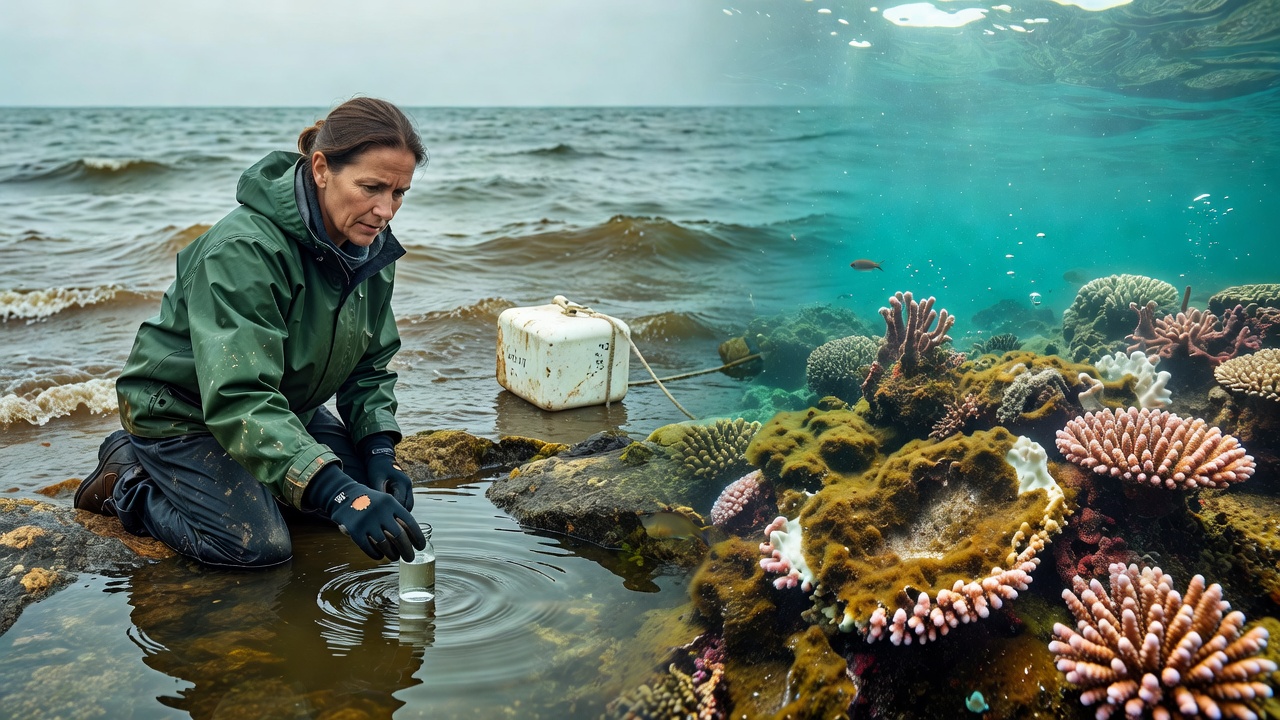
A groundbreaking study conducted by marine biologists has established a direct link between agricultural runoff originating from the Baltic Sea basin and heightened stress indicators in coral populations throughout the Mediterranean. The research team collected extensive data from multiple sites, revealing that excess nutrients carried by ocean currents contribute to coral bleaching and reduced biodiversity. This finding challenges previous assumptions about localized pollution effects and underscores the need for international cooperation in marine protection strategies.
Key Research Methods and Data Analysis
The investigation involved advanced chemical tracing techniques to follow the path of nitrates and phosphates from Baltic rivers into the Mediterranean. Over several years, scientists monitored water quality parameters and coral health metrics, including symbiont density and photosynthetic efficiency. Statistical models demonstrated a significant correlation with a p-value below 0.01, confirming the relationship. Satellite data supplemented ground observations, providing a comprehensive view of current patterns across European seas. The study also accounted for variables such as temperature changes and fishing pressures to isolate the runoff impact. Additional experiments in controlled aquaria replicated the nutrient conditions, showing accelerated stress responses in Mediterranean coral species like those in the genus Cladocora. These results provide strong evidence for the causal mechanism involved. Long-term monitoring revealed seasonal variations in nutrient transport efficiency due to prevailing wind patterns and river discharge volumes.
Broader Implications and Conservation Recommendations
The implications of this research extend to policy making, urging a reevaluation of environmental regulations across the continent. By addressing runoff at the source in the Baltic region, it may be possible to alleviate pressure on southern reefs. Future investigations are planned to examine long-term recovery rates and potential adaptation strategies for corals. Collaborative efforts between Baltic and Mediterranean nations could lead to innovative solutions for preserving these vital ecosystems. Overall, the study emphasizes the global nature of ocean health challenges and the importance of integrated research approaches. Marine protected areas may need redesigning to account for these distant pollution sources. Education programs for farmers on sustainable practices are also suggested as part of a multifaceted approach to reduce nutrient loading at its origin.